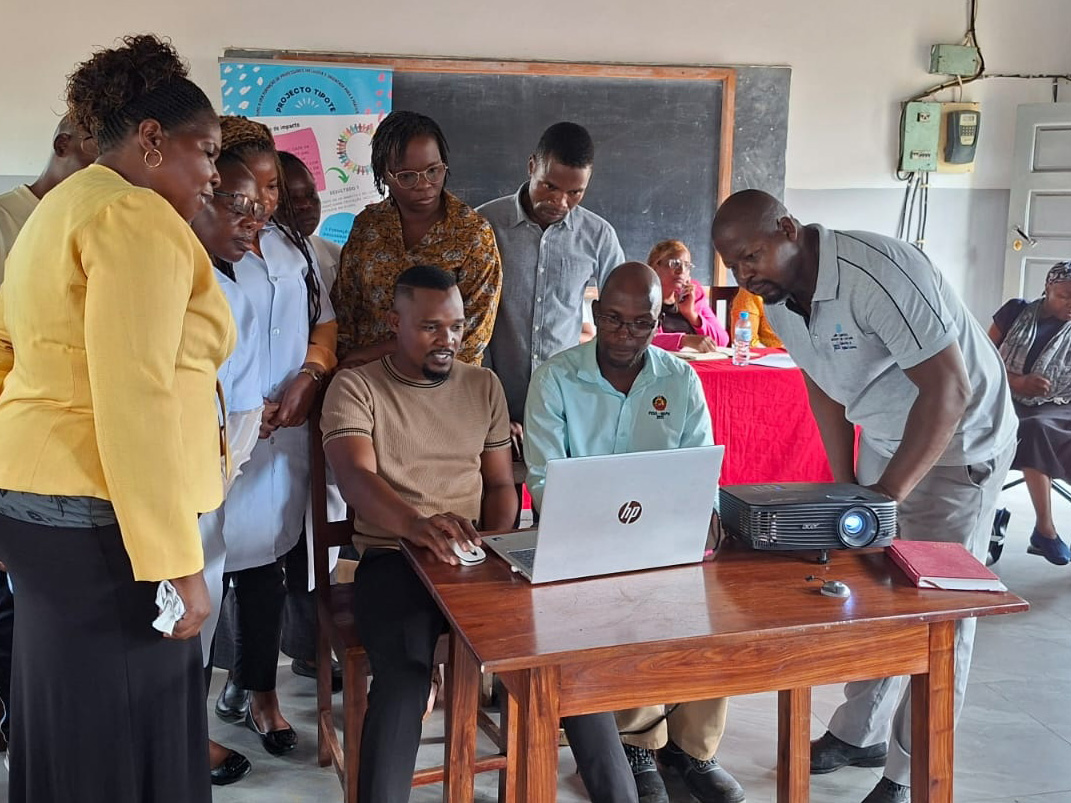
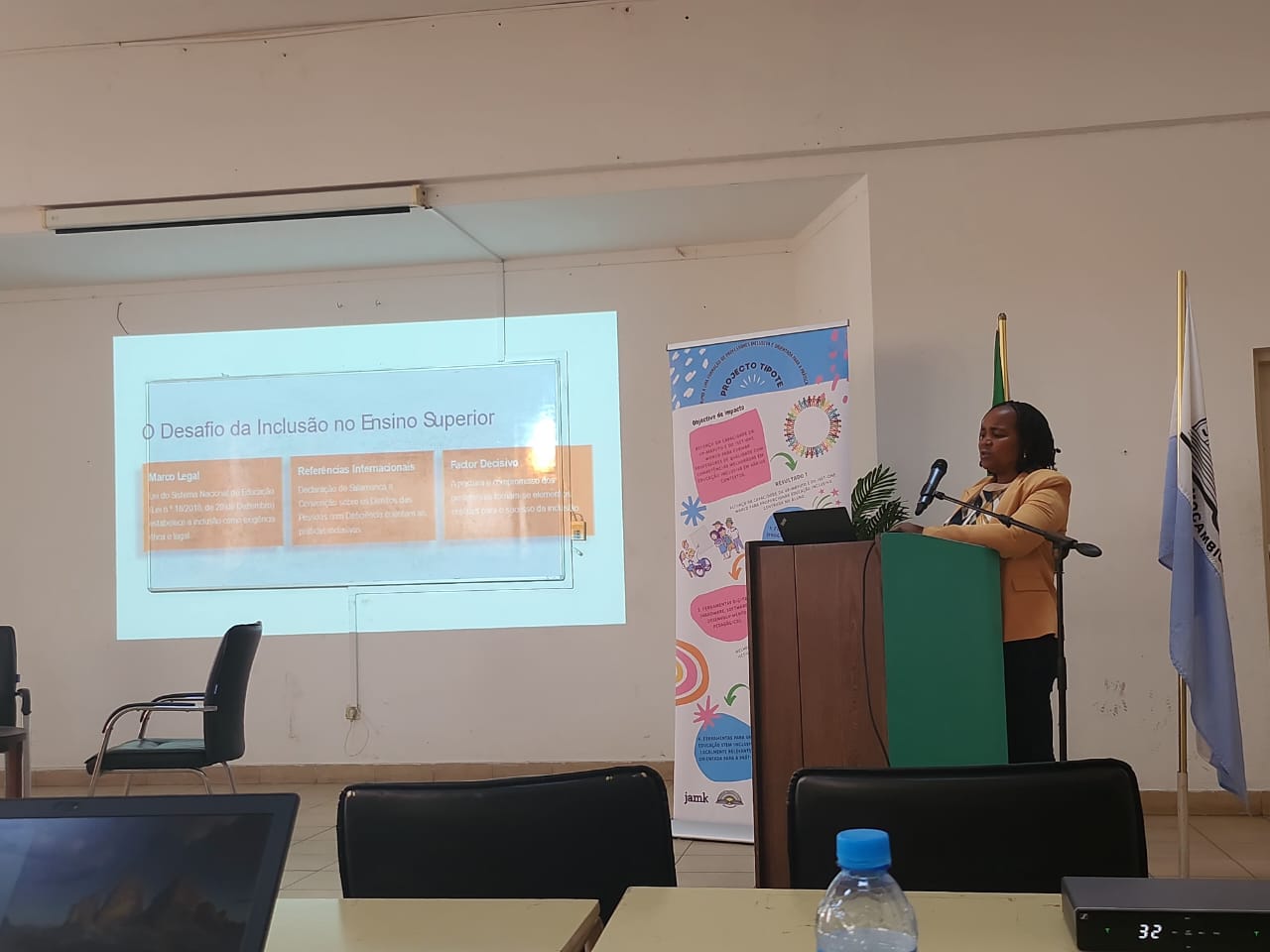
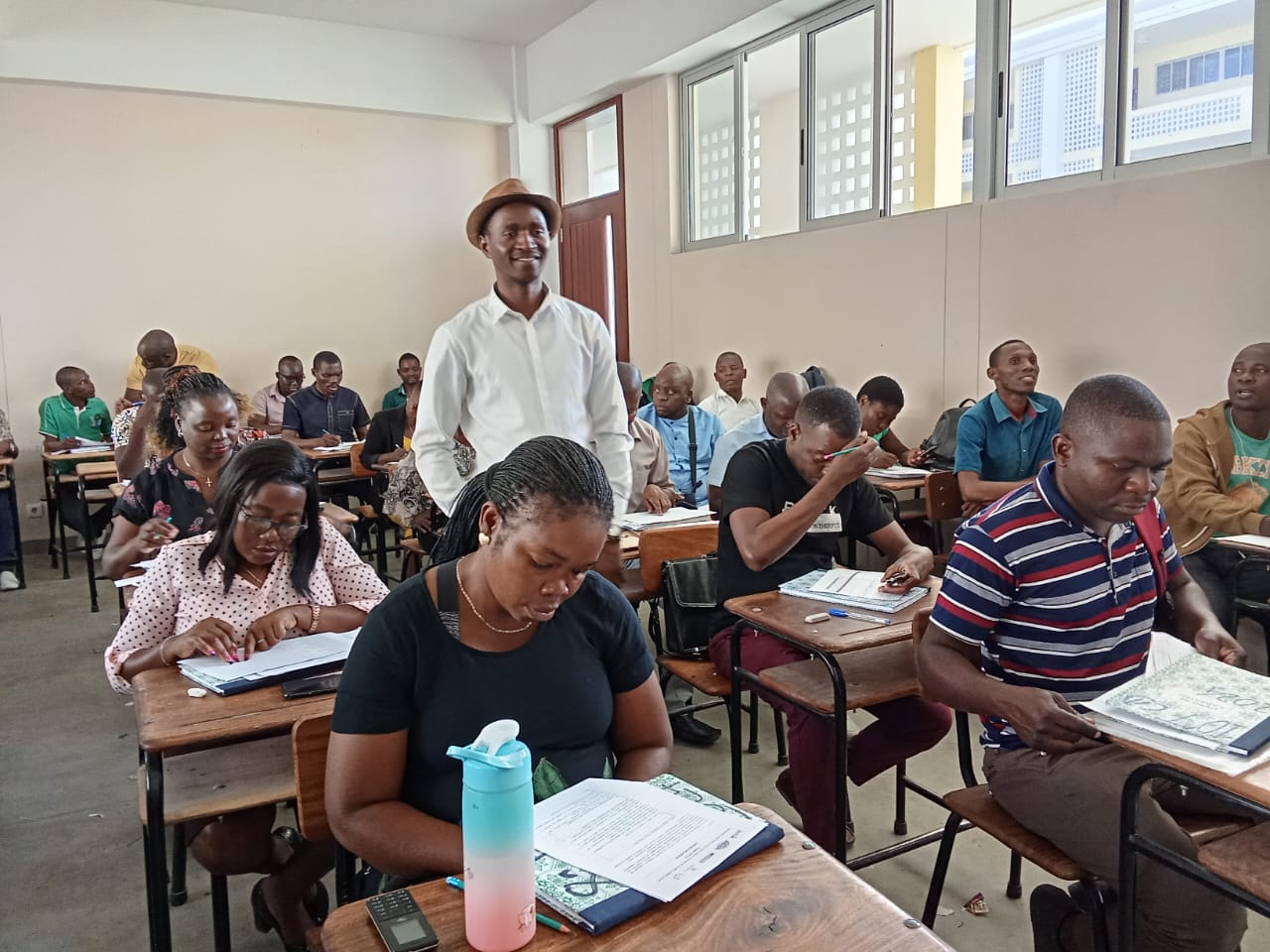
No passado dia 16 de Fevereiro, a Direcção Pedagógica de Maputo promoveu uma acctualização metodológica científica destinada ao corpo docente da Universidade Pedagógica. O evento, que contou com a colaboração de especialistas do grupo Key Experts do projecto TIPOTE, teve como objectivo principal a modernização das práticas pedagógicas e a adaptação às novas exigências do ensino contemporâneo.
Between October 21 and 25, 2024, a delegation from the Universidade Pedagógica de Maputo conducted a significant pedagogical exchange at the University of Botswana. This visit, organized under the TIPOTE (Towards Inclusive and Practice-Oriented Teacher Education) project, aimed to foster collaboration and share best practices in inclusive education and support for students with special needs. The Mozambican team consisted of Key Experts Prof. Dr. Camilo Ussene, Prof. Atália Saíde, Dr. Cláudia Jovo, and Dra. Sheila Rangel.
Between August 19 and 21, 2024, a team of Key Experts from the TIPOTE project conducted a series of field visits to educational institutions in Sofala province to evaluate the current state of inclusive education. The mission, which included specialists Camilo Ussene, Casimiro Massunguine, Cláudia Jovo, and Alberto Boane, visited several key locations including the Samora Machel Secondary School and the Beira Institute for the Visually Impaired.
The primary objective of these visits was to gather first-hand data on pedagogical practices and identify specific infrastructure and training needs. During their time in Beira, the experts observed a significant gap in specialized teaching materials, particularly for students with visual impairments. While teachers demonstrated a high level of dedication and willingness to support inclusive practices, the lack of tailored resources remains a major barrier to effective learning.
Beyond material needs, the team identified a pressing requirement for specialized professional development. Most faculty members reported that while they are committed to inclusion, they have not received the specific training necessary to handle the diverse range of special educational needs found in their classrooms. These findings highlight a critical area for the TIPOTE project’s future interventions, specifically the need for targeted training modules.
The visit also uncovered potential for regional collaboration, noting that the Púngue University extension in Beira already operates an inclusive education program. Establishing networks with such local institutions could prove vital for sharing best practices and creating a more sustainable support system for inclusive teaching in the region.
The insights gained from the Sofala field report will now be integrated into the project’s strategic planning for 2025. These include the development of locally relevant digital content and the procurement of specialized tools designed to bridge the accessibility gap identified during the mission. This field work ensures that the project’s outputs are directly aligned with the real-world challenges faced by Mozambican schools.
No âmbito das actividades de monitorização do projecto, uma equipa de especialistas-chave (Key Experts) realizou uma visita de estudo à província de Gaza entre os dias 1 e 5 de Julho de 2024. A missão centrou-se na avaliação das práticas de educação inclusiva e na implementação da abordagem STEM (Ciência, Tecnologia, Engenharia e Matemática) em escolas secundárias e centros de recursos locais.
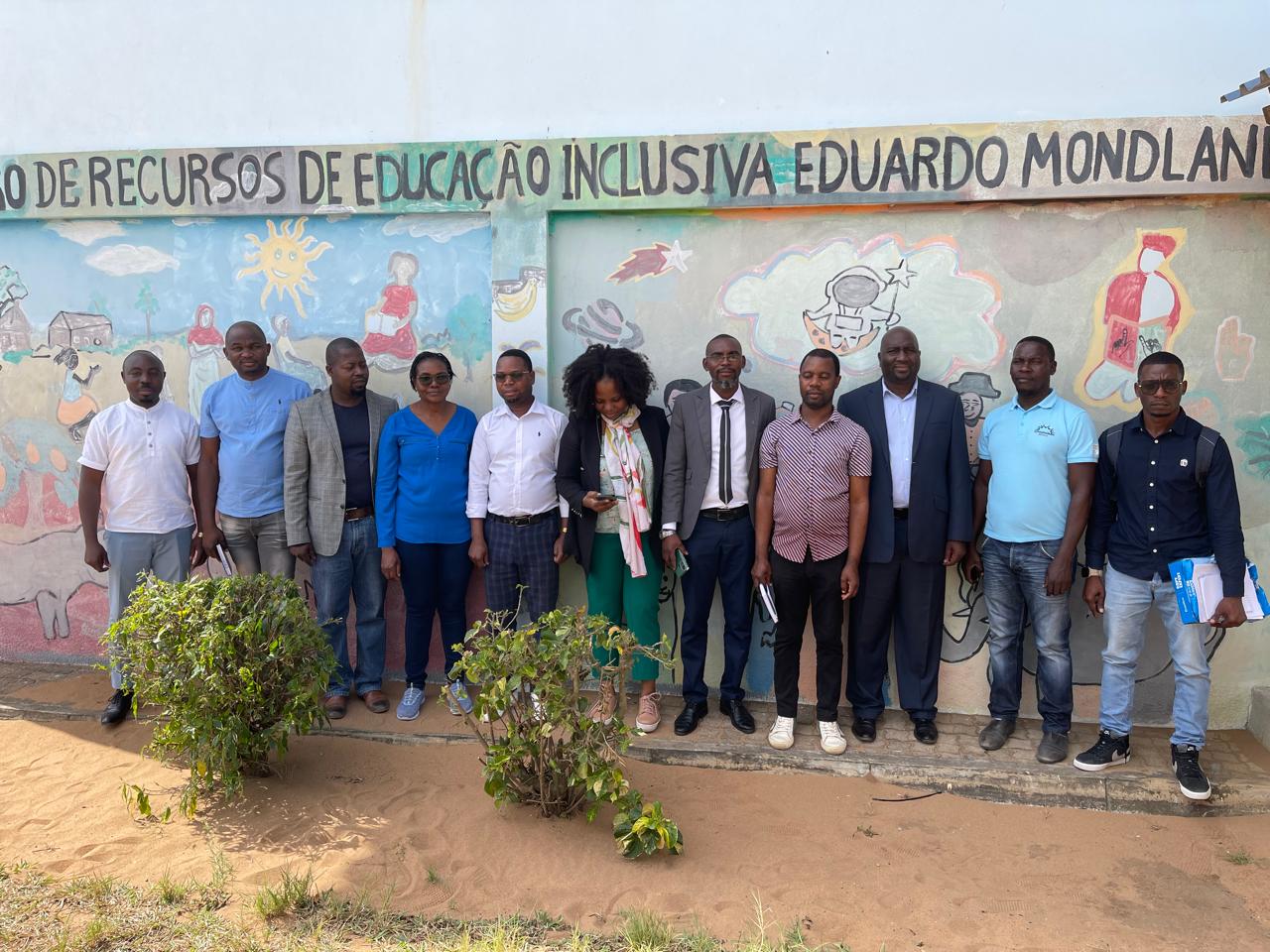
Boas Práticas e Inclusão no CREI da Macia
- A visita ao Centro de Recursos em Educação Inclusiva (CREI) de Gaza permitiu identificar avanços significativos no atendimento a alunos com necessidades específicas. A equipa destacou positivamente:
- A existência de salas de aulas especializadas com metodologias inclusivas.
- O recurso eficaz à escrita em Braille e à simbologia matemática adaptada para garantir o acesso ao conhecimento.Um elevado nível de engajamento dos alunos em matérias de inclusão e orientação vocacional.
O Desafio da Sustentabilidade Tecnológica
Apesar dos pontos fortes, o diagnóstico efectuado na Escola Secundária Joaquim Chissano e na Escola Secundária de Xai-Xai revelou obstáculos críticos à sustentabilidade do projecto:
- Infra-estrutura Limitada: Persiste a falta de salas de informática plenamente funcionais e de conectividade estável.
- Manutenção Técnica: Identificou-se a ausência de técnicos de TIC dedicados, o que torna a manutenção dos equipamentos electrónicos rara e compromete a sua durabilidade.
- Capacitação Docente: A maioria dos professores referiu a falta de treinamento específico para integrar ferramentas digitais na pedagogia inclusiva.
Impacto e Perspectivas
Os dados recolhidos nesta província são fundamentais para o Output 2 do projecto, que visa a criação de conteúdos digitais acessíveis e a capacitação contínua de professores. As constatações em Gaza reforçam a necessidade de estratégias que funcionem em ambientes com acesso restrito à internet, garantindo que a inovação pedagógica chegue a todos os alunos, independentemente da sua localização.
A comitiva de especialistas em Gaza incluiu elementos das áreas de Programação, Digital, STEM e Living Lab, representando a colaboração entre a UP-Maputo e o ISET-One World.
Contact
Partner Universities
Don't miss